Next-Generation Management Required in the AI Era: How to Guide the Evolution of Individuals and Organizations | AWA 2025 Keynote Session Report
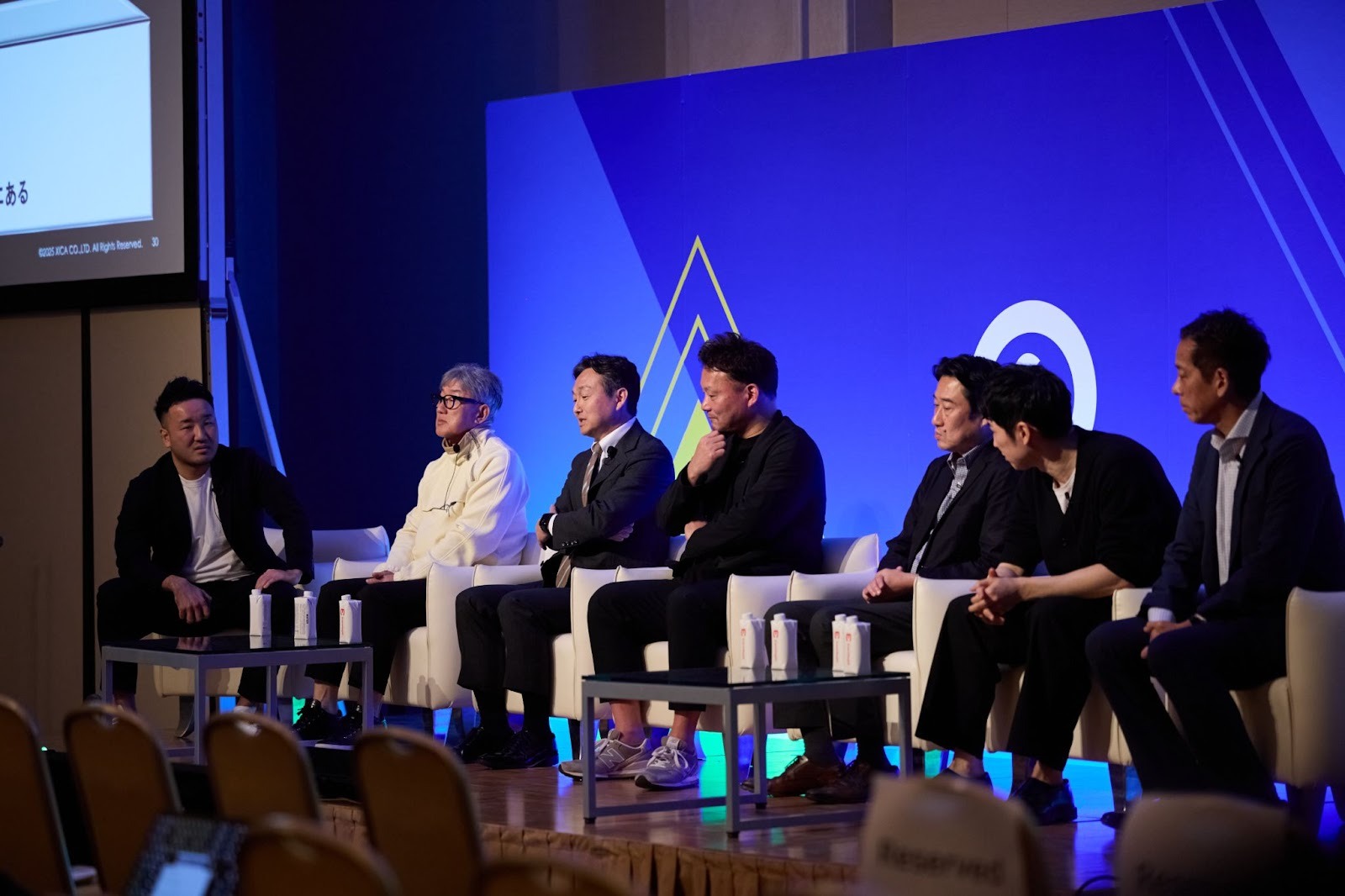
With the widespread adoption of generative AI, data analysis has become easily accessible to everyone. However, the key to competitive advantage lies not simply in "how to use AI," but in "how to master AI." Simply mimicking the numerous prompting techniques and tips available will not allow you to truly utilize AI and generate consistent results.
What's crucial is the "individual thinking" that utilizes AI, and the "organizational structure" that leverages it. What kind of thinking should next-generation leaders cultivate, and what kind of organizations should they build?
At Advertising Week Asia in December 2025, Hirao of XICA will take the stage on the theme of "Next-Generation Management Required in the AI Era."Data analysis thinking to target and increase salesTogether with the six top marketers who appeared in the "[Title of the event]", we discussed the ideal team model in the AI era, drawing on the knowledge and experience they have gained through practical experience. This article reports on some of the session content.
*All titles are as of the time of the event.
You can watch the video for this report below.
Six top marketers discuss "Individual thinking and organizational structures in the age of AI."
At the beginning of the session, Hirao from XICA explained the background to the session's theme as follows:
"We believe the core of AI's competitive advantage will shift from prompt engineering to contextual engineering. And this change will be supported by two axes: individuals and organizations."
Hirao
At the individual level, marketers' sensibilities add meaning and interpretation, bringing uniqueness to AI output. On the other hand, at the organizational level, data assetization is key, and possessing data that brings unique interpretation and meaning is considered a crucial differentiating factor."
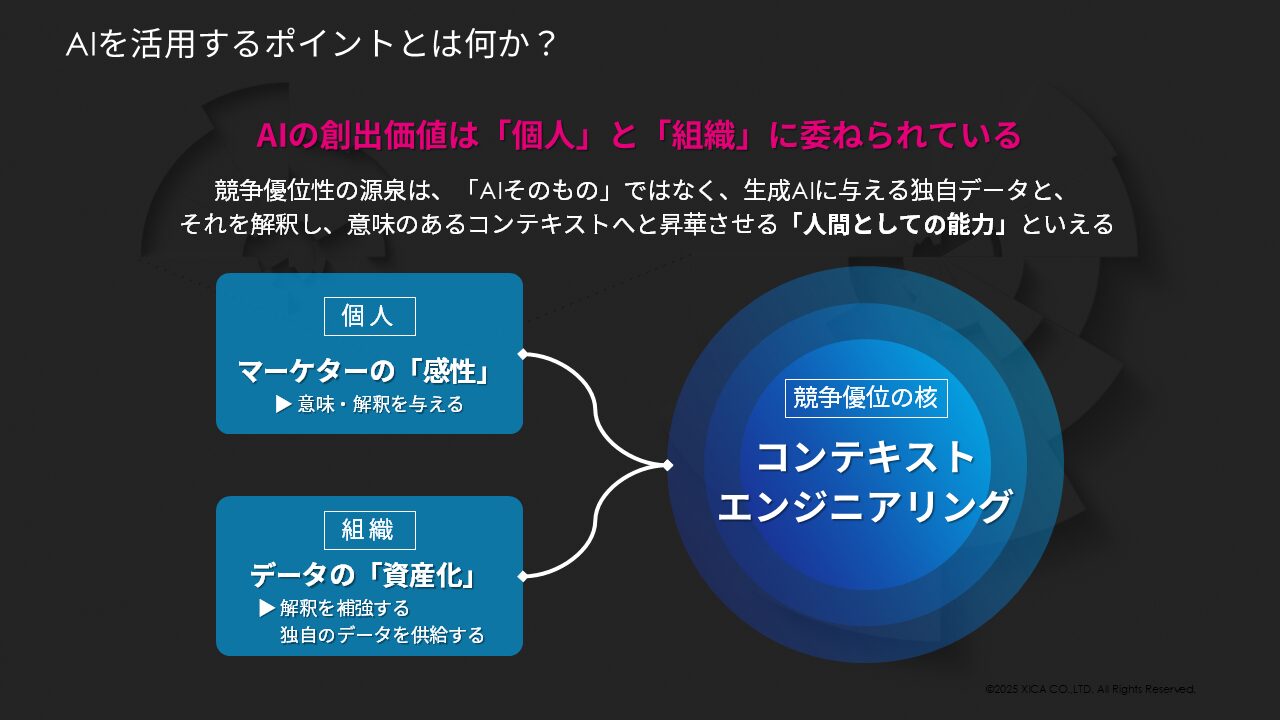
Starting from this perspective, the discussion unfolded across a wide range of areas, from individual and organizational matters to marketing and communication.
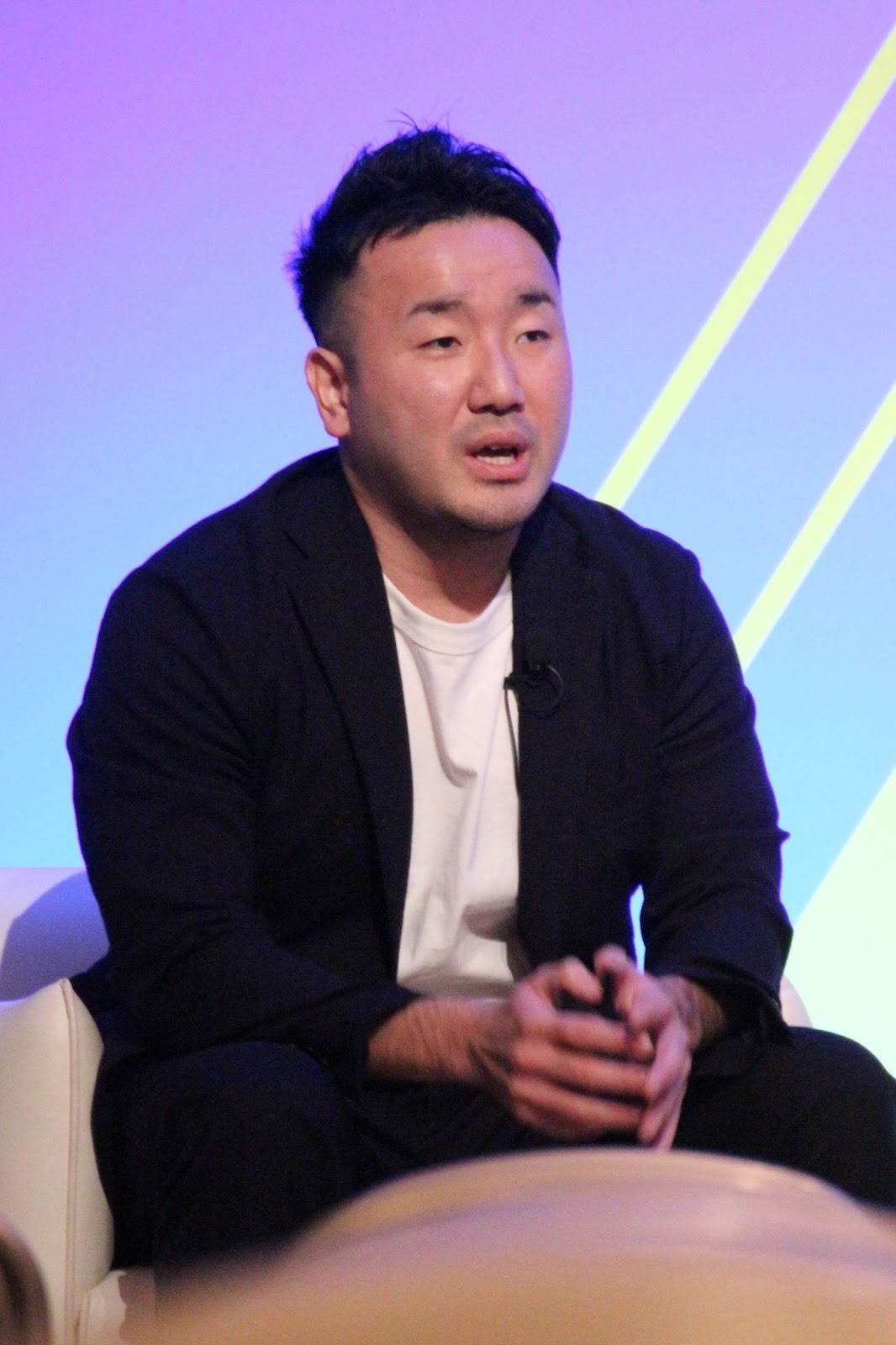
Yoshiaki Hirao
President and CEO of XICA Corporation
He graduated from the Faculty of Policy Management at Keio University in 2012. His father's company went bankrupt, a formative experience that led him to discover the potential of management support through statistical analysis, which he encountered during his university years. He founded XICA Co., Ltd. in February 2012. To date, he has supported over 280 companies, primarily enterprises, and has contributed to highly reproducible business growth as a "data science firm that creates a business growth spiral."
Leadership Transformation in the Era of the Fourth Industrial Revolution
Mr. Takaoka of K&Company
"What is happening now is precisely the Fourth Industrial Revolution," says Takaoka, pointing out that a fundamental transformation of leadership is required at both the individual and organizational levels.
Takaoka says that at the individual level, what's needed is not just AI utilization skills, but "AI native" abilities. This refers to the ability to question things for oneself and pose appropriate questions to AI, rather than simply accumulating knowledge and experience. Since the abilities cultivated through the rote memorization-centered education that has long been emphasized in Japan will be replaced by AI, it will be important to be able to construct one's own thoughts while applying critical thinking to the answers that AI provides.
On the other hand, what is needed at the organizational level is the separation of strategy and operations. Mr. Takaoka cited the organizational reform of MLB (Major League Baseball) as an example. The operations team is responsible for improving the efficiency of game management and enhancing entertainment value through the use of technology, such as introducing the pitch clock (a pitching rule aimed at shortening game times) and the future adoption of AI-based umpire decisions. Meanwhile, the strategy team is promoting the global spread of baseball, such as the development of the WBC. Through this transformation of organizational structure, MLB has achieved results that surpass the viewership ratings of American football and basketball.
"In the age of AI, the leadership required amidst change is the ability to continuously question, clarify the rationale behind decision-making, and share that process transparently with the entire team."
Takaoka
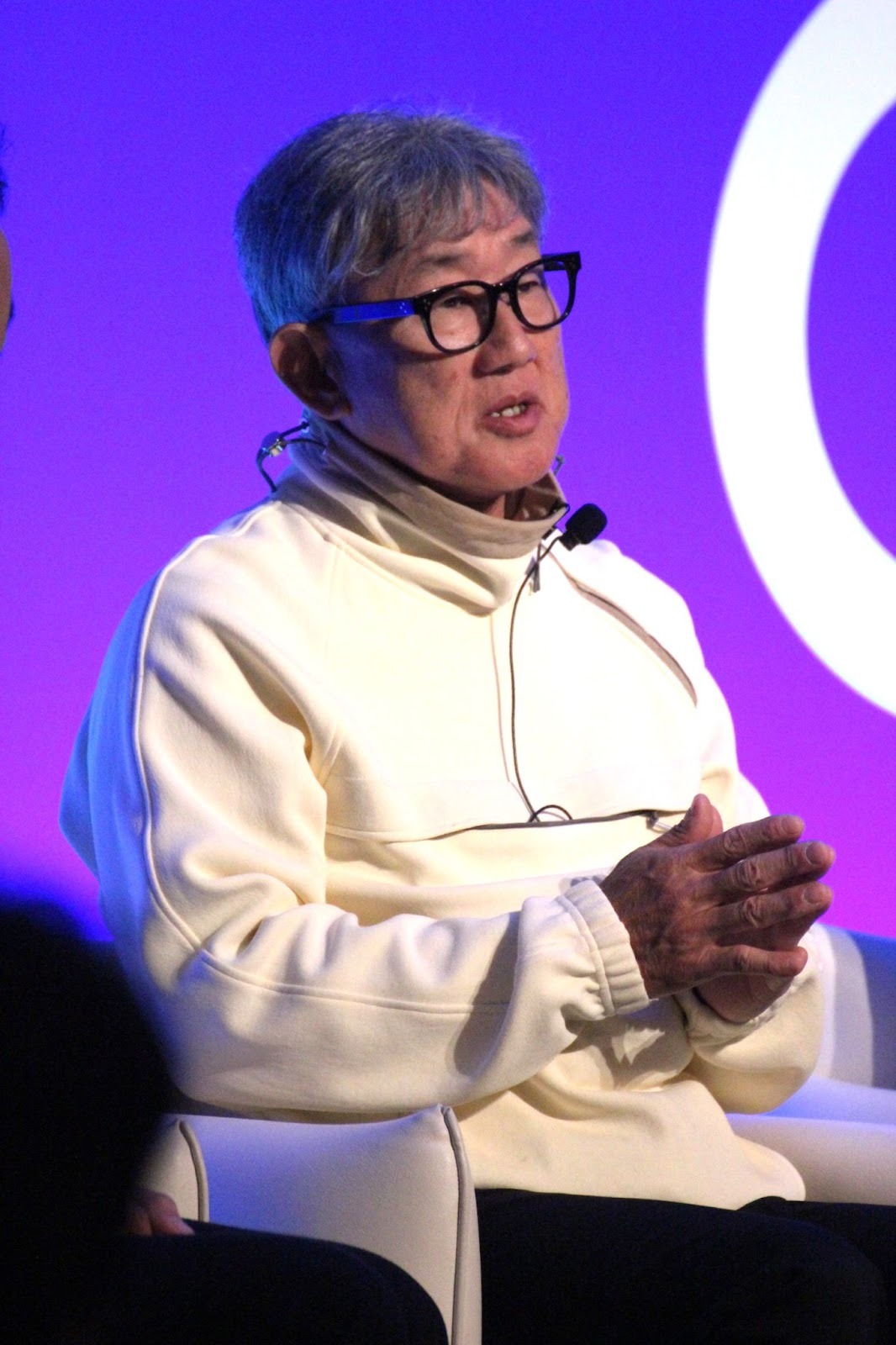
Kozo Takaoka
President and CEO, K&Company Co., Ltd.
He spearheaded the "Kit Kat Exam Support Campaign," leading Kit Kat to become the world's number one business, and until March 2020, as President and CEO of Nestlé Japan Ltd., he built the Nescafé Ambassador model through DX, growing it into an ultra-high-profit company with a margin of over 20%. Since April 2020, he has been active as a producer of innovation creation through DX as President and CEO of K&Company. After leaving Nestlé, he has served as a management advisor and outside director for several companies, including CyberAgent, and also runs his own school specializing in innovation creation called "Takaoka Innovation Dojo."
Organizational management centered on intrinsic motivation
Toridoll Holdings / Marugame Seimen - Mr. Nagumo
Nagumo emphasizes that in organizational management in the age of AI, it is essential to boost the intrinsic motivation of individual employees.
The Toridoll Group defines all 4 employees, and Marugame Seimen defines all 3 employees, as "KANDO creators," and places providing customers with memorable experiences at the core of their management strategy. Each employee has the mindset of a KANDO creator, and the stores, as a collective of these creators, are building a structure that enables improved performance.
In implementing this strategy, routine tasks such as back-office operations, order processing, and shift scheduling are entrusted to AI, freeing up employees to focus on creating memorable experiences.
"What's important is fostering intrinsic motivation among employees. While traditional marketing focused on stimulating intrinsic motivation in customers, my new marketing theme is now to draw out the intrinsic motivation of our employees."
Nagumo
This model can be described as one that achieves growth by combining operational efficiency improvements through the introduction of AI technology with increased intrinsic motivation among employees.
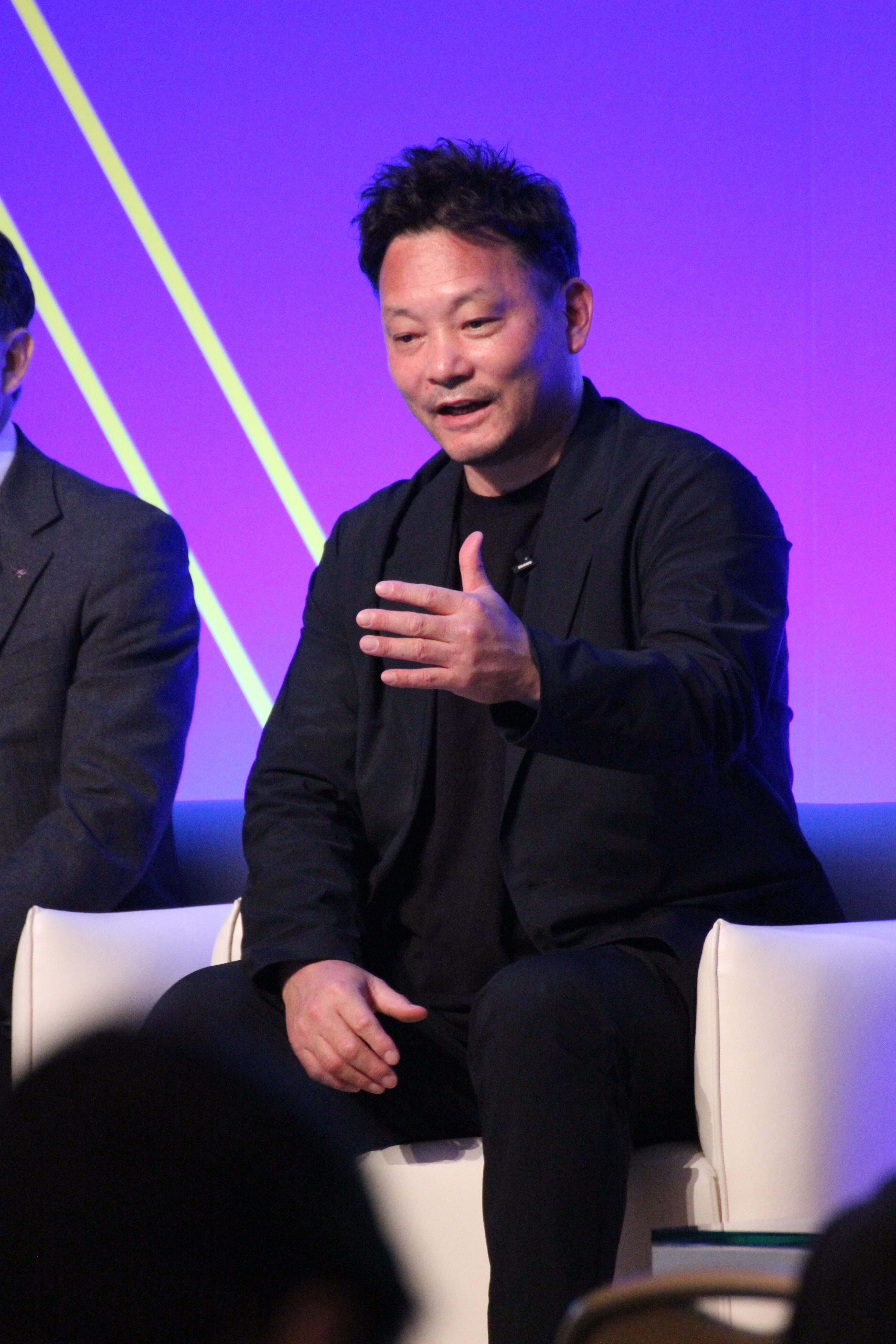
Mr. Katsuaki Nagumo
Executive Officer and CMO of Toridoll Holdings Co., Ltd., Head of KANDO Communications Division, and Managing Director and Head of Marketing Division of Marugame Seimen Co., Ltd.
Graduated from the Graduate School of Commerce at Waseda University with an MBA.
He has served as marketing manager for various brands at B2C companies such as Konami Sports and SAZABY LEAGUE.
Joined Toridoll Holdings in 2018. Has been in his current position since 2022.
Leveraging intuition and data science, they have driven the domestic and international business growth of Toridoll Group and Marugame Seimen with their unique marketing methods, such as "emotion-driven marketing," which increases the probability of brands being chosen.
Recipient of the Excellence Award at the 2025 "Marketer of the Year" awards.
Building a data-driven decision-making process
Kewpie's Nakajima
Nakajima says that "fundamental process redesign" is crucial for organizational management in the age of AI.
Last year, Kewpie implemented a major organizational change, separating the marketing department, which is responsible for strategy and policy design, from the traditional sales division. The newly established marketing division brought together members with diverse backgrounds, which led to differences in interpretation and a situation where everyone was not on the same page when it came to solving problems. Therefore, the company made it a top priority to accurately understand the current situation based on data and facts and to build a system where all members are working towards the same goal.
Furthermore, in the decision-making process, the six steps of "purpose," "problem," "hypothesis," "data," "analysis," and "interpretation," which also appear in the book, are not a linear flow but rather a loop, with an emphasis on continuity where the output of each step becomes the input for the next process. The entire process, from product development and advertising strategy formulation to the execution of measures, has been revamped into a system based on the premise of being supported by data science.
"The idea has shifted from simply considering where to use AI in existing processes to designing processes with AI utilization as a prerequisite. Leaders need to clearly define which parts of each process will utilize AI and what the goals are, and then design the processes in a way that allows team members to think appropriately."
Nakajima
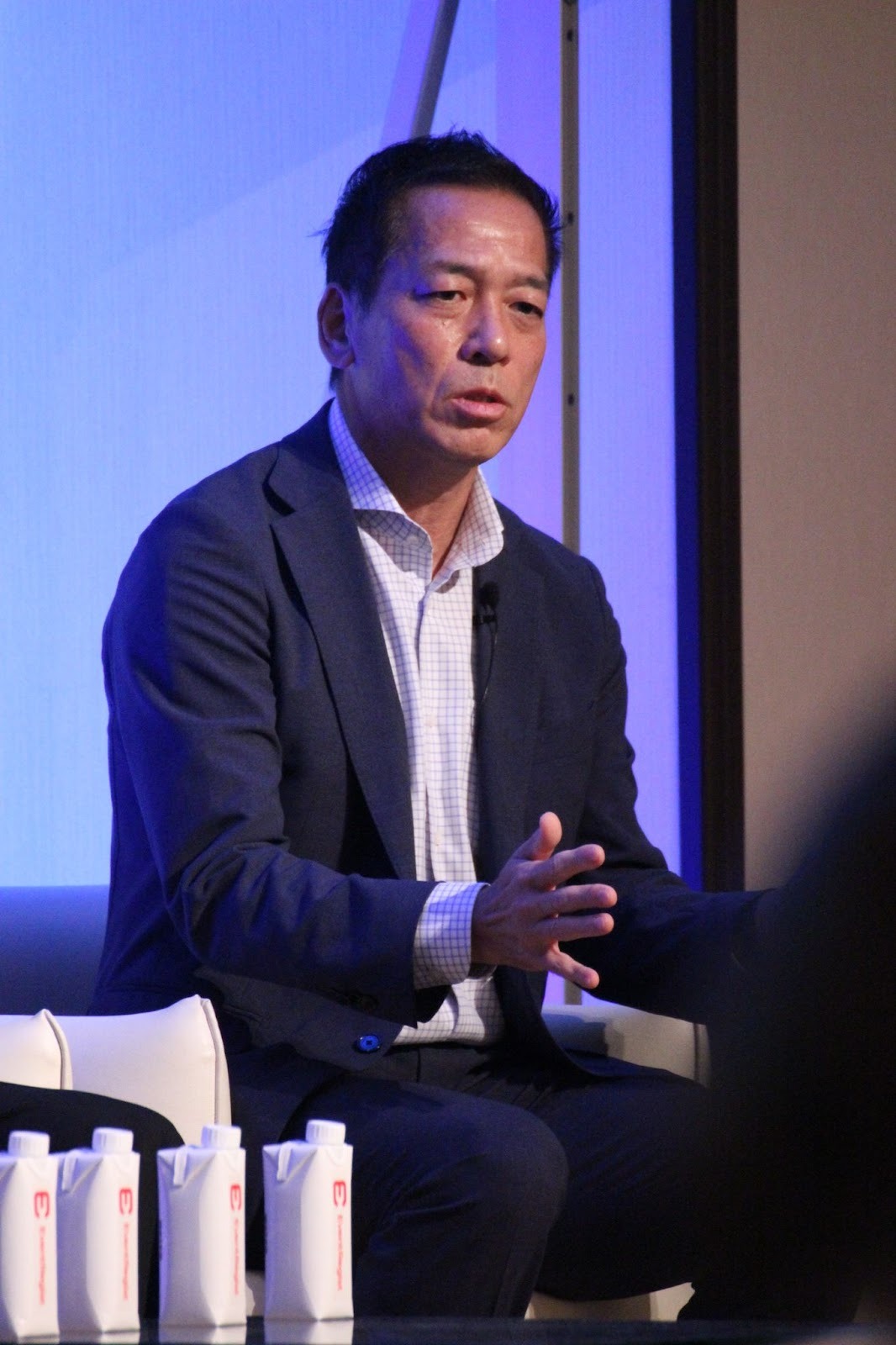
Mr. Ken Nakajima
Executive Officer and Head of Marketing, Kewpie Corporation
He graduated from the Faculty of Agriculture, Tokyo University of Agriculture and Technology in 1993. In the same year, he joined Kewpie Corporation and engaged in research and development work, mainly on prepared foods. Since 2011, he has led the company's overseas expansion strategy from the perspectives of product development and marketing, supporting the expansion of various locations. In 2018, he became the president of the Thai subsidiary, and after returning to Japan in 2021, he has been working to improve the accuracy of Kewpie's marketing, mainly in the research and development departments. In October 2024, he assumed the position of General Manager of the newly established Marketing Division.
The perspective of AI applications for organizations
Mr. Shida of Itoen
Mr. Shida emphasized the importance of the perspective of "how to apply AI for the benefit of the organization," rather than "how to achieve results using AI."
The beverage industry is prone to commoditization and faces structural challenges such as becoming caught up in competition based on metrics like efficiency, cost, and advertising spending. As a result, there is a growing lack of new challenges and a customer-centric perspective, leading to a loss of meaning in their work and an increasing tendency to view their tasks as mere routine work.
One solution proposed to this problem is the visualization of work contribution. By using AI and data science to quantify the value that their work brings to the brand, daily tasks can be viewed not merely as mere work, but with a clear understanding of their meaning and contribution. This visualization allows individuals to realize the value of their own work and fosters a mindset of "how can I do better?"
"I believe that sensitivity is crucial in the age of AI. And one of the important elements in honing that sensitivity is accumulating successful experiences. In the age of AI, I think what's important is not just efficiency through the use of technology, but creating an organization that encourages a shift from tasks to sensitivity and draws out motivation."
Shida
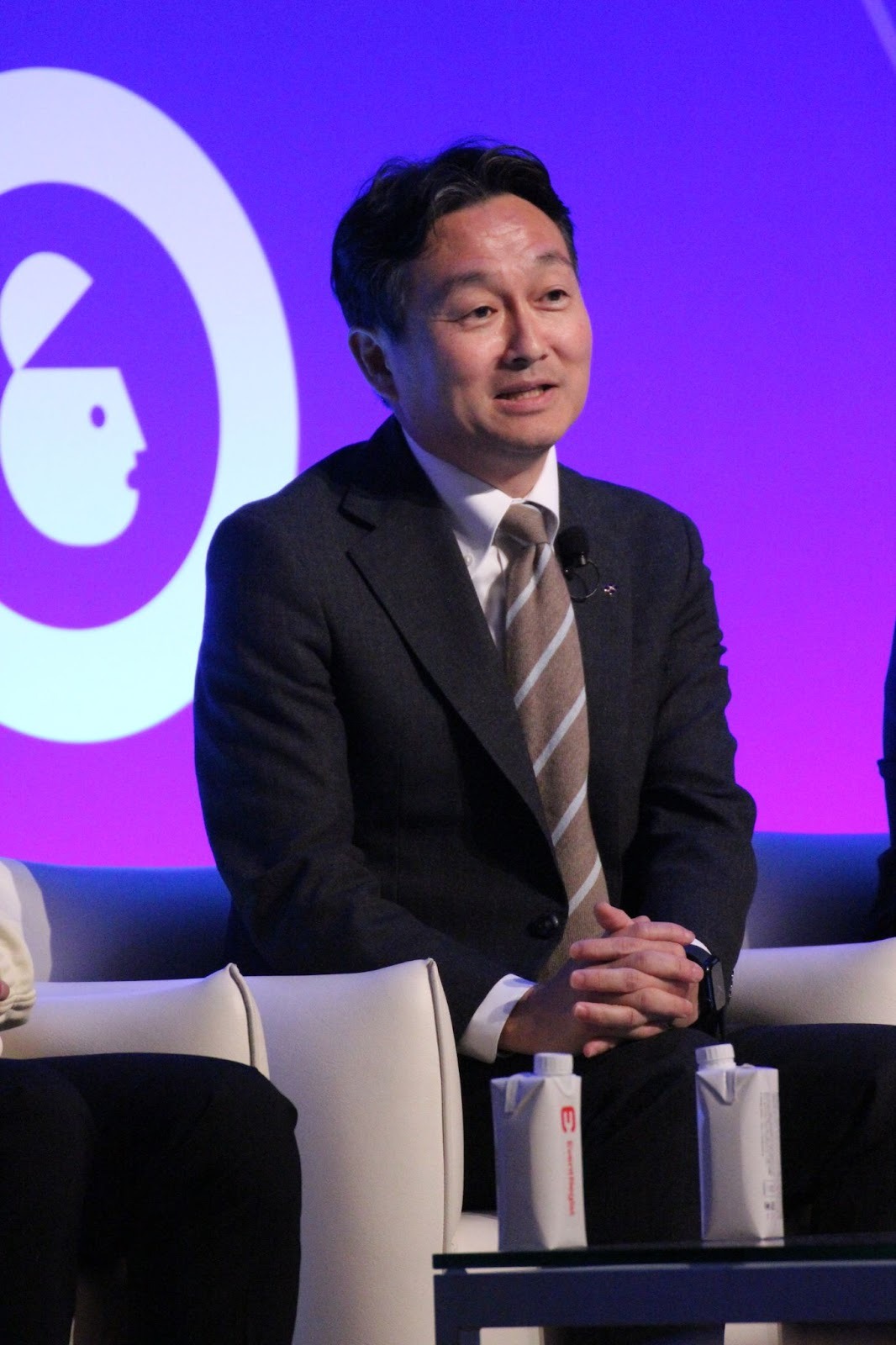
Mitsumasa Shida
Ito En Co., Ltd. Marketing Director, Executive Officer
Joined Ito En Co., Ltd. in April 1998. In 2004, was assigned to the Product Planning Department of the Marketing Division, where he was in charge of product planning for Oi Ocha, the TEAS'TEA black tea brand, and Healthy Mineral Barley Tea. In May 2019, he became the General Manager of the Marketing Division, and in May 2022, he was appointed Executive Officer.
Human resource development in the AI era
Recruit's Mr. Ishii
Mr. Ishii presented his unique perspective on talent development in the age of AI.
He says he continues to ask his members to "formulate big questions for themselves." This has been a policy that Ishii has consistently advocated, but recently he has consciously added the word "big" in particular.
This is because the evolution of AI has improved the efficiency of problem-solving, and because we can entrust AI with areas where it excels, humans are now required to take on the role of asking the essential question of "what needs to be solved." For this reason, Mr. Ishii is advocating for an attitude of "creating work, rather than just receiving work."
Even more important, they say, is the scale of the question. Now that we can entrust AI with areas where it excels, humans need to confront bigger questions to further enhance the value they create.
"Currently, we are restructuring our business processes based on the premise of using AI, but the problem-solving part will gradually become standardized. That's precisely why there is value in creating big projects on your own. I want to keep conveying that there is value in that, and create an environment where team members are rewarded for taking on challenges."
Mr. Ishii
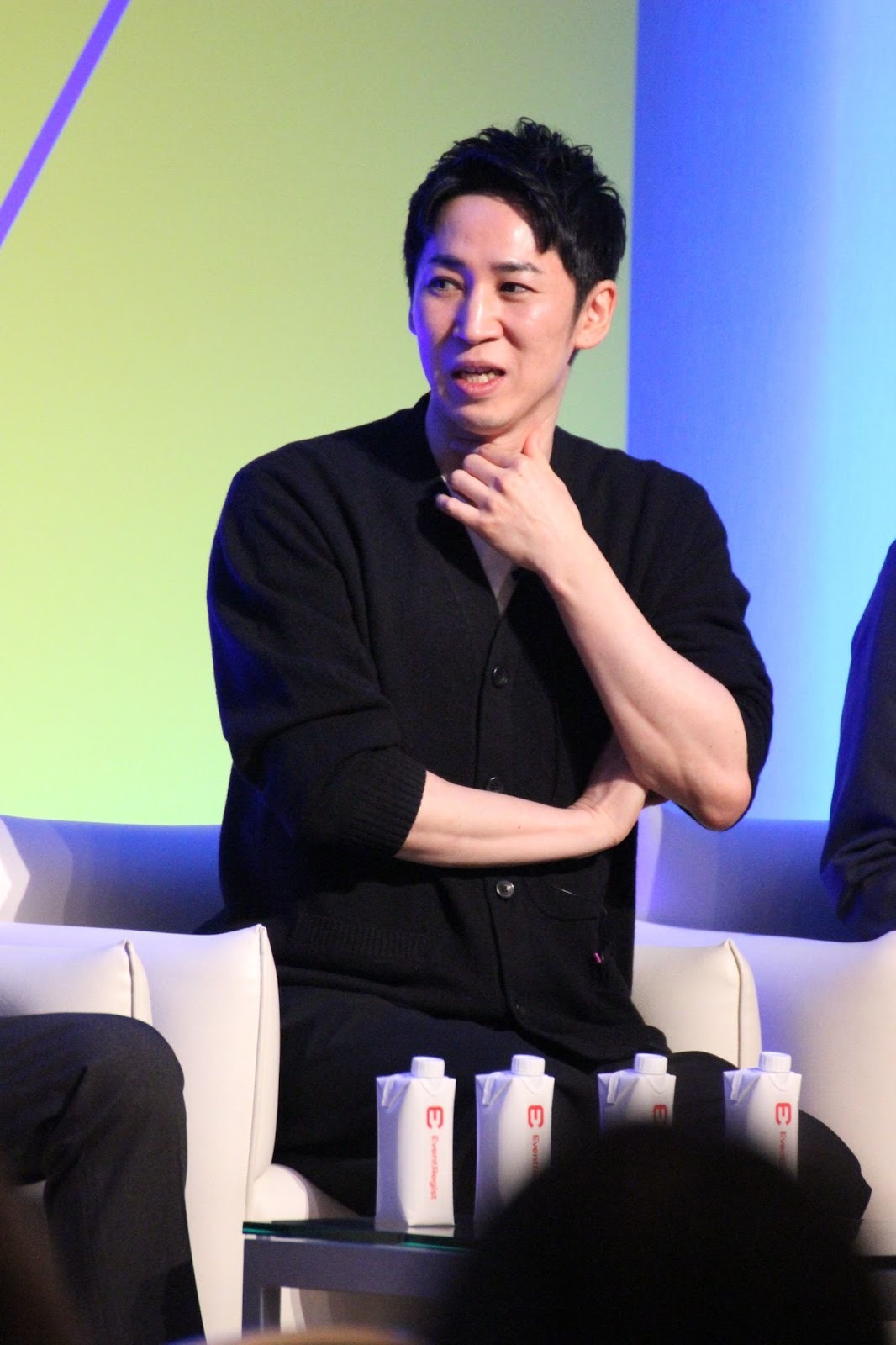
Tomoyuki Ishii
Head of Marketing Department, Recruit Co., Ltd.
After joining Recruit in 2008, he worked at Google before returning to Recruit. He has served as a marketing manager in a variety of business areas, including travel, housing, SaaS, and educational support, and has been in his current position since April 2025.
A brand communication strategy that balances efficiency and creativity
KDDI's Mr. Baba
Mr. Baba offered specific insights into the impact of AI implementation on overall marketing and brand communication.
In AI-era marketing, the PDCA cycle is accelerating due to the use of data. However, since data only represents past performance, it is necessary to constantly undertake new challenges and generate and circulate new data. This process is costly and labor-intensive, but AI is expected to function as a partner to streamline these processes.
Regarding individual skills, Mr. Baba points out that it is more important to strengthen fundamental abilities as a marketer than to acquire entirely new technologies in conjunction with the introduction of AI. He believes that by improving core skills such as "problem recognition," "logical thinking," "data interpretation," and "communication skills," it is possible to effectively utilize AI and increase productivity.
Furthermore, from the perspective of creating brand value, he emphasized that even in this data-driven age, an approach that appeals to consumers' emotions is essential.
"While AI can easily convey functional value that is geared towards the left brain, I believe that stimulating the right brain of consumers through communication, and influencing and stirring their emotions, will continue to be an important role that humans must fulfill even in the age of AI."
Mr. Baba
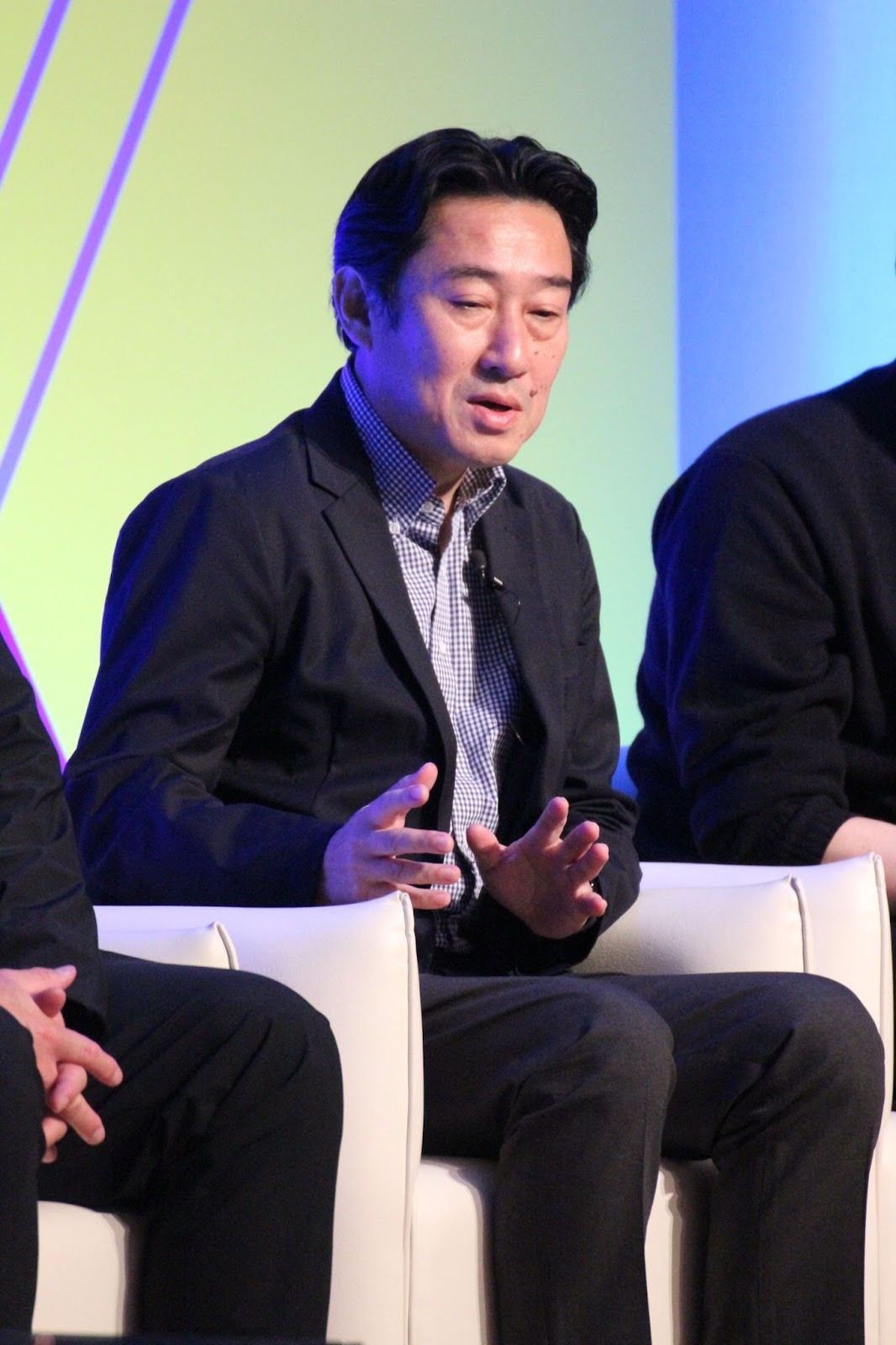
Mr. Takeshi Baba
Head of Brand Communications, KDDI Corporation
After graduating from the Faculty of Political Science and Economics at Meiji University, he joined Nippon Mobile Communications Inc. (now KDDI). He gained experience in customer service, sales planning, and marketing departments, and has been in charge of advertising and public relations since 2018. Since 2021, he has been in charge of the Brand Communication Division, where he is responsible for branding and communication for the corporate brand KDDI and business brands au, UQ, and povo. He is promoting new initiatives that are not bound by the past, such as developing data-driven marketing methods and challenging himself with AI-powered communication methods.
Finally, we received a message from Mr. Takaoka of K&Company for Japanese marketers.
While the term "marketer" is widely used in Japan, it's not as common overseas. This is because, abroad, a marketer often refers not simply to someone who performs marketing tasks, but rather to a "business executive who is capable of marketing."
That's why he said he wants those currently called marketers in Japan to aim for the next stage. In addition, he said that marketing is a profession that is highly compatible with AI, and that in the future, routine work will decrease dramatically in many ways. This is an unavoidable trend, and therefore he emphasized that what is important is to become a "thinking marketer" rather than a "routine marketer."
"For marketers with strong analytical skills, AI won't take their jobs. On the contrary, it will be an extremely useful partner. I hope Japanese marketers will embrace AI and aim to become executives or CEOs of companies in the future."
Takaoka

Related Articles
-
 About XICA
DataScience for Growth: Marugame Seimen's Method for Maximizing "Winning Probability" Through Data Science – The Key to Decision-Making That Overcomes Uncertainty [MarkeZine Day 2026 Spring Event Report]
-
 About XICA
ST Corporation's Challenge: Redefining Mature Brands Through "Data Science x AI x Human Resources" [Brand Summit Spring 2026 Event Report]
-
 About XICA
Maximizing the odds of success through “sensitivity x data science”──A look behind the scenes at Marugame Seimen’s unstoppable progress [Marketing Agenda 2025 Event Report]